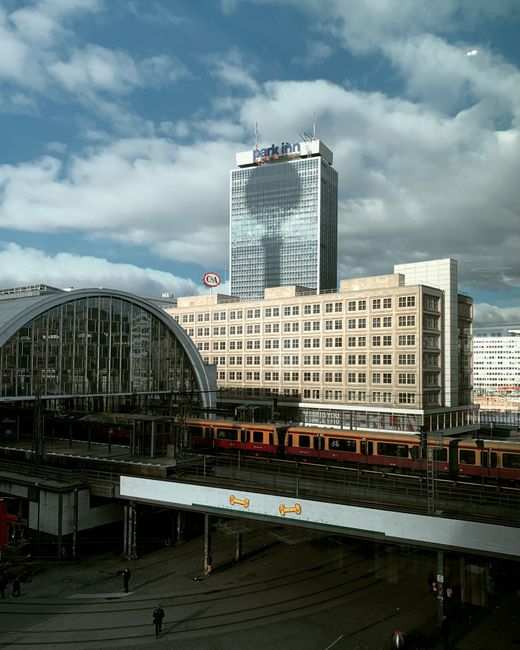
Berlin Mitte 10115 Apartment Removals Local Route Guide
Moving an apartment in Berlin Mitte 10115 can feel simple on paper and slightly chaotic in real life. Tight streets, busy delivery windows, stair-heavy buildings, and the odd lift that seems to have a personal grudge against furniture all change the game. This Berlin Mitte 10115 apartment removals local route guide is built to help you plan the move properly: which routes tend to work best, where delays usually happen, how to prepare a building access plan, and what to ask from a removal company before anyone starts loading boxes.
Whether you are moving one floor down, shifting across the district, or coming in from outside central Berlin, the details matter. A good route plan saves time, reduces stress, and keeps fragile items safer. A rushed plan, on the other hand, tends to create the kind of day where everything takes longer than it should. Let's make it easier.
- What you will get here: route planning advice, access checks, building tips, mover selection guidance, and a practical checklist.
- Who it helps: tenants, flat owners, landlords, property managers, and anyone booking apartment movers in central Berlin.
- Why it matters: the streets and access conditions around Mitte can affect timing, vehicle choice, and the overall moving cost.
Table of Contents
- Why Berlin Mitte 10115 apartment removals local route guide Matters
- How Berlin Mitte 10115 apartment removals local route guide Works
- Key Benefits and Practical Advantages
- Who This Is For and When It Makes Sense
- Step-by-Step Guidance
- Expert Tips for Better Results
- Common Mistakes to Avoid
- Tools, Resources and Recommendations
- Law, Compliance, Standards, or Best Practice
- Options, Methods, or Comparison Table
- Case Study or Real-World Example
- Practical Checklist
- Conclusion
- Frequently Asked Questions
Why Berlin Mitte 10115 apartment removals local route guide Matters
Berlin Mitte 10115 sits at the heart of the city, which is exactly why moves here need more thought than a standard "load the van and go" approach. Central districts tend to be more sensitive to traffic, more demanding on parking, and less forgiving when a building entrance is blocked for even a few minutes. In practical terms, that means the route you choose can affect everything from loading time to whether your mover can park close enough to the entrance for a safe carry.
Apartment removals are different from house moves in one very obvious way: vertical movement. You are not just planning roads, you are planning corridors, lifts, stairwells, and narrow landings. In older apartment buildings around Mitte, staircases can be compact and turns awkward. That little detail can decide whether a wardrobe travels intact or has to be dismantled first. Not glamorous, but very real.
A local route guide helps you think beyond the map. It connects the street layout, vehicle access, building rules, and timing into one workable plan. If you are booking home moves or arranging a smaller load with a man and van, the route still matters. Sometimes especially then, because smaller jobs are often booked with tighter time windows and less room for error.
There is also a trust angle here. When you understand the local movement patterns, you can ask better questions. Do you need a second person? Is a larger moving van really suitable, or would a smaller vehicle reduce parking trouble? Can the route avoid the worst congestion times? These are the kinds of questions that make a move feel organised instead of improvised.
How Berlin Mitte 10115 apartment removals local route guide Works
The simplest way to think about the process is this: you match the apartment, the street, and the vehicle to the moving day plan. That sounds obvious, but in practice people often focus on boxes first and transport second. A better approach is to work backwards from the destination.
Start by mapping the pickup and drop-off points. Then check whether the route is suitable for your chosen vehicle. If the streets are narrow or loading space is limited, the move may work better with a smaller vehicle or a staged load. For heavier or bulkier items, a moving truck or removal truck hire may be more efficient, but only if access supports it. Big vehicle, small street? That can get messy quickly.
Then look at building access. Do you need to reserve a lift? Will the removal team need to carry items through a courtyard? Is there a loading bay, or is parking on the street the only option? These small things add up. They also change the time needed, which is why a local guide is practical, not theoretical.
Finally, think about timing. Early mornings are often calmer, but they can still be busy around central areas. Midday can be manageable on some streets and frustrating on others. If your removal team offers a man with van removal service, they may be able to adapt faster to parking constraints than a larger operation. For larger flat moves, though, a full team from experienced movers may be the safer choice. Depends on volume. Depends on the building. Depends on the day.
Key Benefits and Practical Advantages
A good local route guide does more than reduce stress. It creates a chain of small advantages that make the move smoother from start to finish.
- Faster loading and unloading: if the vehicle can stop close to the entrance, the team spends less time walking back and forth.
- Lower risk of damage: fewer long carries through crowded areas mean fewer chances to scrape furniture or knock into stair rails.
- Better time control: a clear route plan helps avoid delays caused by traffic, roadworks, or parking issues.
- Less building friction: proper planning reduces the chances of upsetting neighbours, porters, or building managers.
- More accurate quotes: the more clearly you explain access, the more realistic your price estimate is likely to be.
If you are comparing service types, it helps to know the difference between a general removal services booking and a smaller, more flexible transport option. A same-day flat move with two rooms of furniture is not the same as a full household relocation. It sounds obvious, sure, but people mix them up all the time.
There is also a quieter benefit: peace of mind. When you can picture the route, the entrance, the parking arrangement, and the order of loading, the move starts to feel manageable. Not easy, necessarily. But manageable. And that is a huge difference on moving day.
Who This Is For and When It Makes Sense
This guide is useful if you live in Berlin Mitte 10115, are moving into the area, or are helping someone relocate from one apartment to another nearby. It is especially relevant if you live in a building with limited lift access, shared courtyards, one-way streets, or strict moving rules.
It makes sense for:
- tenants moving between flats in the same neighbourhood;
- first-time movers who want a clear route plan before booking;
- families relocating to a larger apartment;
- students or professionals with a moderate load of furniture and boxes;
- landlords and letting agents organising turnover between tenancies;
- small offices or studio spaces needing a local transport plan, especially when using office removals or office relocation services.
It may be less necessary if you are moving only a few lightweight items, but even then route awareness helps. If a sofa has to be carried five floors down a narrow stairwell because the van cannot park nearby, a "small job" becomes a long afternoon. That is the kind of thing people only learn once, usually while sweating through a box of books.
For people who want a more hands-off experience, a combined approach using packing and unpacking services and a planned transport route can remove a lot of the day's pressure. You get fewer loose ends. Less hunting for tape at 7:45 in the morning. Less drama, basically.
Step-by-Step Guidance
- Confirm the exact addresses. Small location errors matter in central districts. Make sure building numbers, entry doors, and apartment floors are correct.
- Check access at both ends. Note lift size, staircase width, courtyard access, and whether there is a loading zone or street parking only.
- List bulky items early. Sofas, wardrobes, beds, and appliances often determine the vehicle size and the team needed.
- Choose the right vehicle. A compact move may suit a removal van or man with a van; a larger household may need a bigger vehicle or a full crew.
- Plan the route realistically. Avoid assuming the shortest route is the easiest route. In Berlin Mitte, the better route is often the one with simpler access and less congestion.
- Book your time window carefully. If your building has restricted access or neighbours nearby, a well-chosen slot can make a noticeable difference.
- Prepare the apartment. Protect floors, disassemble furniture where needed, and keep pathways clear.
- Label and stage boxes. Put the most essential items in one easy-to-reach group so they do not disappear under the sofa cushions of moving day chaos.
- Confirm insurance and safety details. A trustworthy provider should be able to explain how items are handled and what protection is in place. If you want to compare the details carefully, see insurance and safety.
- Do a final walk-through. Check cupboards, meters, window latches, and hidden corners before you leave. People always miss one drawer. Always.
One practical habit helps more than you might think: photograph the apartment before the move and after the rooms are cleared. It keeps everyone aligned and can help if a landlord later asks questions. Simple, but useful.
Expert Tips for Better Results
After enough apartment moves, you start noticing patterns. The difference between a smooth move and a stressful one is rarely luck. It is usually preparation, timing, and the right kind of flexibility.
First tip: keep the route plan as short as possible in human terms, not just map terms. A slightly longer road route can be easier if it reduces turning, parking, or unloading problems. The shortest path is not always the smartest one. That is a classic trap.
Second tip: be honest about what you own. Overselling or underselling the load leads to poor vehicle choices. If you have a heavy bed frame, a boxed-up kitchen, and a lot of books, say so. Books are sneaky. They seem harmless and then suddenly a single box feels like it is full of bricks.
Third tip: if the move involves several floors, choose the service based on physical effort as much as distance. A short route between two nearby addresses can still be a difficult move if there is no lift. In those cases, a full house removals style approach may be more appropriate than a minimal transport-only booking.
Fourth tip: ask how the team handles awkward access. Do they bring trolleys, blankets, straps, and tools for dismantling? Are they used to central apartment buildings? If the answer is vague, keep asking.
Fifth tip: do not forget the admin. If you are comparing prices, it helps to review pricing and quotes alongside the route and access details. A quote without context is only half a quote.
And a small one, from experience: keep a kettle, tea, and phone charger separate. It sounds trivial until 6 p.m. arrives and you realise those three things are what make the evening feel human again.
Common Mistakes to Avoid
Apartment removals in central Berlin tend to go wrong in predictable ways. The good news? Most of them are avoidable.
- Ignoring parking reality: planning a move as if the van can stop right outside is risky.
- Forgetting stair and lift limits: if your sofa does not fit, it does not fit. You cannot negotiate with physics.
- Underestimating packing time: last-minute packing always takes longer than expected.
- Booking the wrong vehicle size: too small means extra trips; too big can mean access trouble.
- Not telling the mover about bulky items: that surprises everyone except the sofa, which always knew this was coming.
- Leaving keys, documents, or tools in random boxes: keep essentials separate.
- Not checking terms and expectations: it is worth reading the terms and conditions so you understand what is included.
Another common issue is trying to save money by trimming the plan too aggressively. You can absolutely keep a move lean, but lean should not become reckless. If a building is awkward, if items are large, or if timing is tight, a slightly bigger service can actually be the cheaper option in the end because it avoids extra trips and damage. Funny how that works.
Tools, Resources and Recommendations
You do not need fancy equipment to plan a better move, but a few basics make a big difference.
- Measuring tape: check doorways, stair landings, and furniture widths before move day.
- Phone notes or a move sheet: keep addresses, access instructions, and contact details in one place.
- Labels and markers: clear labelling saves time when unloading.
- Furniture blankets and straps: useful for protecting items in transit.
- Flat-pack tools: keep screwdrivers, hex keys, and small bags for bolts together.
- Cleaning supplies: useful for final apartment checks and handover.
On the service side, it helps to understand the practical difference between a transport-only booking and a fuller service. A man and van removals option can be ideal for lighter, simpler jobs. A bigger home relocation may need a more structured team from house movers. For business relocation, a dedicated commercial moves approach is usually the more appropriate fit.
If you are trying to keep things cost-conscious, ask whether the job needs full packing support or just transport. It is often worth separating the services cleanly. That way you only pay for what you actually need. Quite refreshing, really.
Law, Compliance, Standards, or Best Practice
For apartment removals, compliance is less about dramatic legal complexity and more about acting carefully, safely, and responsibly. A reputable mover should work in line with ordinary UK-style expectations of safe lifting, proper handling, and fair customer communication, even when the move itself is in Berlin. The key point is not to assume. Ask.
Best practice usually includes:
- clear access instructions before the move;
- careful handling of stairs, lifts, and awkward furniture;
- basic insurance awareness;
- transparent pricing and service scope;
- respect for neighbours, building rules, and loading limits;
- safe packing of fragile or valuable items.
If you need reassurance about how a provider handles risk and responsibility, it is reasonable to review their health and safety policy and recycling and sustainability commitments as part of your decision. That does not answer every question, but it does tell you a lot about how the business thinks.
For payments and booking confidence, the practical side matters too. Look over payment and security before confirming anything, especially if you are booking remotely and want to understand how the transaction is handled. Straightforward and calm is what you want here.
Options, Methods, or Comparison Table
Choosing the right moving method for Berlin Mitte 10115 depends on the size of the flat, the volume of belongings, and the access conditions. Here is a simple comparison to help you decide.
| Option | Best for | Strengths | Watch-outs |
|---|---|---|---|
| Man and van | Small flats, a few large items, short-distance moves | Flexible, efficient, often easier in tight streets | May be too limited for larger furniture volumes |
| Removal van | Moderate apartment loads | Good balance of capacity and maneuverability | Still needs sensible parking and access planning |
| Moving truck | Larger household moves or multiple bulky items | Higher capacity, fewer trips | Can be harder to position on central streets |
| Full removal team | Busy, complex, or heavy apartment moves | More hands, better speed, stronger coordination | Usually costs more than a basic transport-only job |
There is no universal winner. A one-bed apartment with a couple of shelves and a bed frame may work perfectly with removals van style transport. A large family apartment with bulky furniture might need a fuller setup. If you are unsure, choose based on access first, volume second, and budget third. The order matters more than people think.
Case Study or Real-World Example
Here is a realistic example from a typical central apartment move. A couple was relocating from a second-floor flat in Mitte 10115 to another apartment just a few streets away. On paper, it looked simple. Same district, short distance, not much furniture. Easy, right?
Then the details appeared. The pickup building had a narrow staircase, no practical lift access for larger items, and limited street stopping space outside. The new apartment was closer to an internal courtyard, which meant careful unloading rather than a fast curbside drop. The first plan, which assumed a large vehicle could park directly outside, was not workable.
The move was reworked into a more sensible sequence: smaller vehicle, earlier start time, staged packing of the heavier items, and clear labelling for the kitchen boxes. A removal company with local experience would typically recognise those access issues before arrival and adjust the setup accordingly.
The result was not dramatic. No heroic soundtrack. Just a move that finished on time, with no broken lamp, no panicked argument over where the coffee machine went, and no awkward phone call to apologise for blocking the street too long. Honestly, that is what a good move looks like. Quiet success.
Practical Checklist
Use this checklist a few days before the move, then again on the morning itself.
- Confirm full pickup and delivery addresses.
- Share floor level, lift access, and stair details.
- Measure large furniture and check doorway widths.
- Separate fragile items and valuables.
- Label boxes by room and priority.
- Keep keys, documents, and chargers in one safe bag.
- Notify your mover about any difficult parking or courtyard access.
- Review the booking scope and quotation carefully.
- Check insurance, safety, and payment details.
- Prepare a cleaning kit for final handover.
- Take photos of any existing marks or damage before loading begins.
- Keep water and a snack nearby. Sounds small, but it helps.
Expert summary: the best apartment removals in Berlin Mitte 10115 are not necessarily the fastest on the map; they are the ones that combine the right route, the right vehicle, and the right access plan.
If you are still comparing options, it can help to look at the broader service picture too, from removals near me to more specific transport and packing support. The best choice is the one that matches your actual apartment, not an idealised version of it.
Get a free quote today and see how much you can save.
Conclusion
A Berlin Mitte 10115 apartment move is rarely just a transport job. It is a coordination job. The street layout, building access, item volume, and timing all shape how smooth the day feels. Once you approach it as a route and access problem rather than only a packing problem, everything starts to make more sense.
The good news is that most move-day stress comes from avoidable issues: unclear parking, forgotten measurements, poor timing, or choosing the wrong type of vehicle. Sort those out early and the rest becomes much easier. Not effortless, perhaps. But far less frantic.
Plan the route, respect the building, keep the boxes honest, and give yourself a little breathing room. That combination tends to work better than frantic optimism. And if you do it well, the best part of the day may be the moment you stand in the new apartment, hear the last box land gently on the floor, and realise you are done.
Frequently Asked Questions
What is a Berlin Mitte 10115 apartment removals local route guide?
It is a practical guide for planning apartment removals in the 10115 part of Berlin Mitte, with attention to routes, access, parking, vehicle choice, and building logistics.
Why does route planning matter so much in Berlin Mitte 10115?
Because central streets, parking limits, and building access can affect how quickly and safely items are loaded and unloaded. A short route is not always the easiest route.
Is a man and van service enough for an apartment move in Mitte?
Sometimes, yes. It works well for smaller flats, fewer items, and moves where access is straightforward. If you have bulky furniture or several flights of stairs, you may need a larger setup.
How do I know whether I need a removal van or a moving truck?
Use the size of your furniture and the amount of boxed items as the first clue. A removal van suits moderate loads; a moving truck is usually better for larger household moves or heavier volumes.
What should I tell a mover before moving day?
Give them the full address, floor level, lift details, stair width, parking limits, bulky furniture list, and any access restrictions. The more accurate the information, the better the plan.
How early should I start packing for an apartment move?
Earlier than most people want to hear. Start with non-essential items first, then work toward daily-use things. Leaving everything to the final evening usually creates avoidable stress.
Can a move still work if the building has no lift?
Yes, but the route and team setup need to reflect that. Heavy items may need more hands, more time, and better preparation, especially in older buildings.
Should I compare prices based only on the cheapest quote?
No. Compare the scope of service, access assumptions, insurance awareness, and any packing or dismantling support included. The cheapest quote can become expensive if it leaves out what you actually need.
What if my furniture does not fit through the stairwell?
Then it may need to be dismantled, lifted with specialist handling, or moved using a different access plan. This is why measurements matter before moving day.
Do I need packing and unpacking services for a local apartment move?
Not always, but they can save time and reduce stress if you are short on time, moving valuable items, or relocating with a lot of household contents.
How do I make sure my move is handled safely?
Check the mover's safety approach, ask about handling methods, confirm insurance awareness, and make sure fragile items are packed properly. Safe moving is mostly about careful preparation.
What is the best next step if I am still unsure about the move?
Write down your access details, list the bulky items, and compare the most suitable service options. Once those basics are clear, the right plan usually becomes obvious.