Moving Van in Germany: Reliable Local Transport for Home and Business Moves

Practical moving support for life in Germany
Finding the right moving van in Germany is often the difference between a move that feels manageable and one that turns stressful very quickly. Whether you are relocating within the same city, moving from one federal state to another, or shifting a business inventory across town, local customers need more than just a vehicle. They need timely transport, careful handling, sensible route planning, and a team that understands local conditions.
Germany presents a wide range of moving situations. You may be leaving a compact apartment in Berlin with limited curb access, moving into a family house in the suburbs of Munich, or relocating an office in Hamburg where loading zones and lift access matter. A professional moving van service helps with those everyday realities by providing the right vehicle, the right crew size, and the right approach for your property type and schedule.
Local moving services are especially valuable because they are built around real customer needs: narrow streets, controlled parking, apartment blocks with stairs, old buildings without lifts, and commercial sites that must keep disruption low. If you are planning a move and want a straightforward solution, a moving van service can be arranged to match your needs, from a single-item transport to a full household relocation.
Why customers choose a moving van service instead of handling everything alone
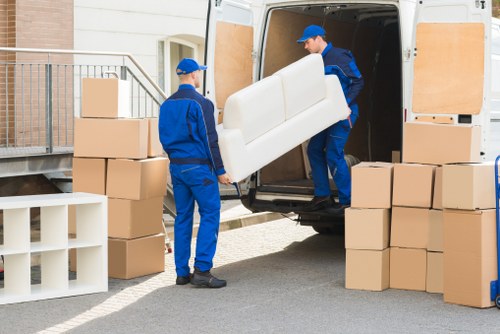
Many people start by thinking they can rent a van and do the entire move themselves. In practice, a move in Germany often involves more than driving a vehicle from point A to point B. You also need to consider apartment access, furniture protection, stair carrying, timing for building access, and whether the van is suitable for your load. For many households and businesses, a local moving van service is simply the more efficient and less stressful option.
Here are some of the most common reasons customers book a moving van service:
- Time savings: loading, transport, and unloading can be handled efficiently by an experienced team.
- Better handling of bulky items: wardrobes, sofas, desks, appliances, and boxes are easier to move with the right equipment.
- Local knowledge: drivers familiar with German city streets and suburban routes can plan access more effectively.
- Reduced physical strain: heavy lifting, tight staircases, and awkward corners are handled professionally.
- Flexible service options: from one-way transport to full move support, the service can be tailored to your situation.
For local customers, convenience matters. A well-organised moving van service can help reduce delays, prevent avoidable damage, and make the moving day feel much more controlled. That is true whether you are moving into a studio apartment, a larger family home, a shared flat, or a business unit.

What a moving van service in Germany typically includes
Every move is different, but a dependable moving van in Germany usually includes a vehicle matched to the size of your load, transport by a trained driver or moving crew, and care during loading and unloading. Many customers also choose extra support for heavy or fragile items. The exact service can be adjusted based on the building, distance, and type of items involved.
Typical service elements may include:
- Pre-move planning: discussing the size of the move, access points, and any special items.
- Vehicle selection: using the right van size to avoid unnecessary trips or wasted space.
- Loading assistance: helping carry furniture, appliances, and packed boxes safely.
- Protective handling: using blankets, straps, and other protective materials where needed.
- Transport: moving your belongings securely to the new location.
- Unloading: placing items into the right rooms or designated areas when requested.
Some customers only need transport for a few large items, while others need a fuller service for an entire flat or office. A local moving company can usually adapt the service to suit your booking, which helps keep the process efficient and focused on what you actually need.
Homes, flats, and commercial moves across German locations
Germany’s housing and commercial property mix means moving requirements vary widely from place to place. In older city centres, customers often face narrow stairwells, shared entrances, and limited parking. In newer residential districts, access may be easier, but longer walking distances from the van to the front door can still slow a move down. In business areas, offices and shops may need transport arranged outside peak hours so daily operations are not interrupted.
A moving van service is useful for a wide range of property types, including:
- City apartments and Altbau flats: often involving stairs, tight corners, and careful handling of older fittings.
- New-build apartments: generally easier access, but still requiring organised loading and accurate timing.
- Detached homes and townhouses: often needing a larger load capacity for furniture, garden items, and boxes.
- Student accommodation: frequent short-distance moves, smaller loads, and fast turnaround.
- Offices and workspaces: desks, chairs, IT equipment, archive boxes, and commercial fittings.
- Retail and storage moves: stock, shelving, display items, and equipment transported with care.
Whether you are moving in a busy urban district or a quieter suburban area, local support helps because the team understands the building layout, the likely access issues, and the pace needed to keep your move on schedule.

Common local access challenges and how they are handled
One of the most important reasons to book a moving van in Germany is the practical knowledge that comes with local service. Access issues are common and can affect the entire moving day. In cities such as Berlin, Cologne, Frankfurt, Stuttgart, or Düsseldorf, parking near the entrance can be limited. In smaller towns, streets may be easier to navigate, but narrow driveways or shared courtyards can still create complications.
Typical access challenges include:
- Limited parking near the entrance: the van may need to be positioned carefully to reduce carrying distance.
- Stairs without lift access: larger items may need two-person handling or additional planning.
- Long corridors or internal courtyards: these can make furniture movement slower if not considered in advance.
- Restricted loading times: some buildings and business premises allow loading only in specific time windows.
- Older buildings and tight turns: large furniture may need to be partially disassembled before transport.
A skilled local team plans for these situations before the van arrives. That may mean choosing a smaller vehicle for tighter streets, arriving at a quieter time of day, or advising you in advance on which items should be prepared separately. The goal is simple: keep the move efficient and avoid preventable delays.
Why this matters for busy city moves
In larger German cities, traffic, parking restrictions, and shared residential entrances can add pressure to moving day. A planned approach helps avoid unnecessary stress and makes the whole process more predictable. For customers moving between districts or into a newly rented flat, that reliability is often just as important as the transport itself.
What kind of customers book a moving van in Germany?
A moving van service is not just for large household relocations. It is used by all kinds of customers, from private individuals to companies that need practical transport without delay. The service is especially useful when the load is too large for a car but does not necessarily require a full-scale removal operation.
Common customer groups include:
- Private households: families, couples, and individuals relocating locally or across regions.
- Students and young professionals: smaller moves, shared accommodation changes, and short-notice transport.
- Landlords and property managers: movement of furnishings, appliances, or cleared items between properties.
- Small businesses: office furniture, stock, and equipment moved with minimal downtime.
- Retailers and tradespeople: tools, display units, materials, and deliverable goods transported safely.
For businesses, efficient transport matters because downtime costs money. For households, the priority is usually peace of mind and careful handling of personal belongings. A local moving van service can support both needs by providing practical transport without overcomplicating the process.
How the moving process usually works
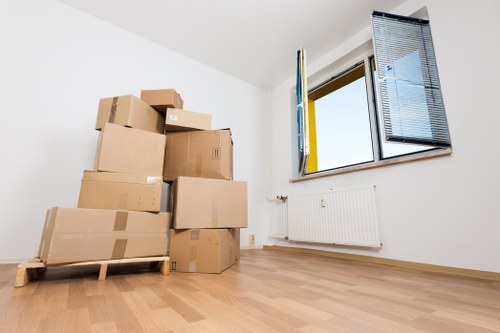
Most customers want a move that is simple, clear, and well-timed. A professional moving van service in Germany is typically arranged in a few steps so you know what to expect on moving day. While the exact process depends on the size and distance of the job, the structure is usually straightforward.
- Initial enquiry: share the move date, locations, property type, and approximate volume of items.
- Service planning: the team considers access, number of floors, heavy items, and transport distance.
- Quote request: you receive pricing based on your actual move requirements and any extras you choose.
- Preparation: boxes are packed, fragile items are protected, and access details are confirmed.
- Moving day: the van arrives, items are loaded carefully, and transport begins.
- Unloading and placement: belongings are delivered to the destination and positioned as agreed.
This structure helps keep the service organised and makes it easier to plan around work, family commitments, or building rules. If you need a service for a particular date, contact us today to check availability and request a free quote.
Helpful details to share when booking
To make the quotation and scheduling process more accurate, it helps to provide a few key details early on. These usually include the number of rooms, the presence of large furniture, whether there is lift access, and whether the move is local or long-distance. The more precise the information, the easier it is to plan a smooth moving day.
Preparation checklist for a smoother move
Good preparation can save time and reduce stress. Even if you are using a professional moving van in Germany, there are a few simple steps that help the service run more smoothly. These are especially useful if you are moving from an apartment block, a shared building, or a property with limited access hours.
Before moving day, consider the following checklist:
- Sort through belongings and decide what is moving, storing, donating, or disposing of.
- Pack boxes clearly and label them by room where possible.
- Keep important documents, keys, medicine, and valuables separate from general boxes.
- Measure large furniture to make sure it fits through doors, stairways, and lifts.
- Check parking rules, loading zones, and any access permits needed at both addresses.
- Inform building management or neighbours if the move may affect shared access.
- Defrost fridges and freezers in advance if they are being transported.
- Disconnect appliances safely and make sure cables and fittings are stored together.
These small steps can make a real difference. They help the moving crew work efficiently and reduce the risk of damage, missing parts, or delays caused by last-minute issues.
Pricing factors customers should understand
Many local customers want to know what affects the cost of a moving van service in Germany. While exact quotes depend on the move, there are common pricing factors that influence the final amount. Understanding these factors helps you compare options more fairly and choose the right level of service for your budget and needs.
Typical pricing considerations include:
- Distance: local moves and longer intercity transport are priced differently.
- Load size: more items, larger furniture, or multiple rooms usually require more time and space.
- Access conditions: stairs, no lift, long carrying distances, or difficult parking can affect labour time.
- Number of movers: larger teams may be needed for bulky or time-sensitive jobs.
- Special handling: fragile items, appliances, pianos, or office equipment may require extra care.
- Timing: weekday, weekend, or short-notice bookings may affect availability and planning.
Request a free quote if you want a clearer idea of what your move may involve. A proper quotation should reflect your actual requirements rather than a one-size-fits-all approach. That is especially important for customers moving in busy German cities where access and loading time can change the job significantly.
Why a local company is often the better choice
When people look for a moving van in Germany, they often compare local businesses with larger national providers or informal transport options. A local company has a clear advantage in many situations because it understands the area, the property types, and the practical challenges that can affect moving day. This is not just a convenience issue; it can directly influence how smooth the move feels.
Local knowledge can help with:
- Route planning: avoiding congestion, roadworks, and low-access streets where possible.
- Parking strategy: choosing the best place to stop close to the building entrance.
- Building access: understanding typical apartment layouts, shared entrances, and loading restrictions.
- Responsive scheduling: making practical arrangements for local time windows and short-notice needs.
- Customer convenience: easier communication around move size, access questions, and timing changes.
For many customers, a local company simply feels more practical. You are dealing with a team that knows the area and can plan for the realities of German residential and commercial properties. That matters when you want a move to be handled properly, not just transported.
Areas covered across Germany
Moving van services are typically available for a broad range of local and regional moves across Germany. Customers often book transport within major cities, between nearby towns, or for longer moves between different states. Because every location has different access conditions, having a local service that understands the area is a real benefit.
Common service areas often include city centres, suburban districts, business parks, and surrounding towns. For example, moves may involve older residential neighbourhoods, student areas, industrial estates, or newer housing developments. Nearby areas can also matter when you are relocating from one district to another and need a service that can manage different street layouts, parking rules, and building styles.
If you are not sure whether your pickup or drop-off location is suitable, it is worth asking during the quotation stage. That helps avoid surprises and ensures the van size, access plan, and crew are all matched to your move.
Special items and careful handling
Many moves include items that need extra attention. In a typical German household or office, this may mean white goods, glass tables, modular wardrobes, TVs, office printers, or boxed electronics. A moving van service can usually handle these items safely when they are prepared correctly and moved with the right equipment.
Items that often need extra care include:
- Appliances such as fridges, washing machines, and dishwashers
- Glass, mirrors, and framed artwork
- Large furniture that must be partially dismantled
- IT equipment, screens, and office hardware
- Musical instruments and delicate household items
For fragile or high-value possessions, packing quality matters just as much as transport. Customers are usually advised to prepare these items separately and clearly label them if they need special handling. A professional team can then plan the loading order and ensure the van is packed in a way that supports safe transport.
When you should book early
In Germany, move dates can become busy quickly, especially at month-end, during summer, and around popular vacation periods. If you already know your moving date, booking early is the best way to secure a suitable time slot and give yourself enough time to prepare. This is especially important if you are moving from a higher floor, need a larger van, or have a tight building access window.
Booking ahead is also helpful when your move includes:
- Multiple stops or collection points
- Office equipment and commercial items
- Furniture that requires dismantling
- Large quantities of boxes
- Special access requirements or parking limitations
If your plans are still flexible, that is fine too. A local team can often advise on the right type of vehicle and the expected time required. Book your service now if you want to secure a moving slot and avoid last-minute pressure.
FAQs about moving van service in Germany
How far in advance should I arrange a moving van?
It is best to arrange your booking as early as possible, particularly if you are moving on a weekend, at the end of the month, or during the summer months. Early booking gives more choice of time slots and allows enough time to plan access and packing.
Can a moving van service handle just one or two items?
Yes. Many customers book transport for a few large items such as a sofa, washing machine, mattress, or desk. A van service is often a practical solution when the items are too large for a car but do not require a full removals team.
Do I need to pack everything myself?
In many cases, yes, but the exact arrangement depends on the service you choose. Boxes are usually packed by the customer unless additional packing support is requested. It is always a good idea to confirm which tasks are included when you request your quote.
What if my building has no lift?
That is very common in Germany, especially in older buildings. The team can plan for stair access and assess whether extra help or more time is needed. It is important to mention this in advance so the move can be scheduled properly.
Can you move office equipment and business items?
Yes. A moving van service is often used for commercial customers who need desks, chairs, files, stock, or equipment moved safely. For offices, it helps to plan timing carefully so business disruption is kept to a minimum.
How do I know which van size I need?
The best van size depends on the number of rooms, the amount of furniture, and whether you are moving boxes, appliances, or larger items. If you are unsure, share a list of your items and the access conditions, and the service provider can recommend an appropriate vehicle.
Is a moving van suitable for long-distance moves across Germany?
Yes, many customers use a moving van for both local and long-distance relocations. The key is planning the route, vehicle size, and timing properly so the move stays efficient from collection to delivery.
Ready to plan your move?
If you are comparing options for a moving van in Germany, the best choice is usually the one that fits your property, your schedule, and the kind of items you need transported. A good local service should feel practical from the first enquiry: clear about what is included, flexible enough for different property types, and aware of local access issues that can affect the day.
Whether you are moving a flat, a house, an office, or a few bulky items, a local moving van service can make the process more manageable and less disruptive. If you want a straightforward transport solution with real local understanding, contact us today and request a free quote for your upcoming move. The sooner you plan, the easier it is to secure the right van, the right timing, and the right support for your situation.
Book your service now and get your move organised with confidence.