Removals in Germany

Removals in Germany need clear planning, careful handling and a service that can cope with the practical realities of moving belongings between homes, flats, offices and storage. We provide a straightforward removals service for customers who want a sensible, organised move with support for lifting, loading, transport and delivery. The work can be tailored to the volume of items, the access at each address and the type of property involved, so the service stays focused on the job in hand.
Our removals work is designed to handle the parts of a move that often take the most time and effort. That can include moving furniture, boxed items and mixed household contents, along with the planning needed to keep the process orderly. For businesses, we can also support office moves, helping to move equipment and furniture with care so the relocation is managed in a structured way. The aim is practical help, not unnecessary complication.
If you are comparing options, start by thinking about what needs moving, how much packing you want to do yourself and whether the destination has any access limits such as stairs, tight entrances or restricted parking. A good removals plan should reflect the property, the load and the timing. Share the key details early and it becomes easier to shape the right move. When you are ready, you can ask for a quotation.
House removals and home moving support
Domestic removals are often about more than transport alone. They involve protecting furniture, organising cartons, loading items in a sensible order and making sure the move out of one property and into another runs in a clear sequence. We handle house removals with that process in mind, whether the move is from a flat, terrace, family home or shared property. The service can be arranged around the size of the job and the type of access available.
Where needed, we can help with the usual physical tasks that come with a home move, including carrying heavier pieces, moving awkward items and keeping the load organised during transit. This kind of service is useful when the move involves a mixture of furniture, personal effects and fragile possessions that need steady handling. If you are planning around fixed dates, it helps to keep the inventory accurate and the scope of work realistic from the start.
What a home removals service can cover
Home removals can be adapted to suit different property types and moving distances. In practice, that may include moving beds, wardrobes, sofas, tables, white goods and packed boxes, plus the careful arrangement of items so they are easier to unload at the destination. Some customers prefer a hands-on move with only transport support, while others want a fuller service that includes loading and unloading. The right balance depends on the volume, the contents and how much help you want on moving day. You can read more about house removals if you want to compare the domestic move with other service types.
Packing, loading and protected handling

Packing is one of the parts of removals that most affects how smoothly the rest of the job goes. Items that are boxed securely are easier to stack and carry, while loose belongings can take longer to manage and may need extra attention. Where a customer wants support with preparation, our packing and unpacking services can sit alongside the removals work so the move is more orderly from one stage to the next. This is especially useful when there is a mix of breakables, books, clothing and kitchenware.
Loading is equally important. A careful loading plan helps reduce wasted space and can make better use of the available vehicle. Heavier items are usually positioned first, while lighter and more delicate belongings are arranged to stay secure during transit. It is not simply a question of fitting everything in; it is about keeping the move manageable and reducing unnecessary handling. For many customers, that practical approach makes the difference between a rushed process and a controlled one.
Unpacking support can also be helpful once the load reaches its destination. Not every move needs it, but when the property is busy or the contents are extensive, a little organised help can save time. We keep the service flexible so it can match the amount of preparation you want to take on yourself. If you only need transport and lifting, that can be discussed too. For moves involving mixed household and small business items, it is often worth asking for a quotation that reflects the actual scope.
Office removals and commercial moving
Commercial moving calls for a different rhythm from domestic removals. Offices often involve desks, chairs, filing, IT equipment, meeting furniture and boxes of documents that need to be moved without turning the whole working day upside down. Our office removals service is aimed at businesses that want a practical relocation arranged around the contents and layout of the premises rather than a one-size-fits-all approach. The emphasis is on order, care and keeping the move workable.
For a larger workplace relocation, it can help to think in terms of zones or departments, especially where equipment must arrive in a particular sequence. That is where commercial removals planning matters. It is often easier to move furniture, packed storage and smaller items in a controlled order than to treat everything as a single load. If you need a broader relocation service, the details can be shaped around access points, building rules and the amount of dismantling or reassembly required.
Support for business moves
Businesses usually want a moving service that respects both the contents and the working timetable. We can support office relocations where the customer needs a steady team to move items between sites, from upper floors or through shared premises. It may also be useful to combine the move with a van or truck sized to the job, depending on the quantity of furniture and materials involved. Office relocation services are suitable when you want the move handled as a structured project rather than a simple collection and drop-off.
Moving vehicles and the right transport choice

The vehicle is part of the service, not an afterthought. A move with a small load may only need a compact van, while a larger house or office relocation can call for a bigger moving vehicle to keep the load sensible and the journey efficient. Our moving van option is useful where the contents are substantial but do not justify a larger truck, while a broader moving truck may suit heavier or more extensive loads. Choosing the right transport is often what keeps a removals job straightforward.
Transport should also match the type of items being carried. Furniture, boxes and mixed possessions do not all behave the same way in transit, so the vehicle needs to be loaded in a manner that reduces movement and keeps the contents secure. Good removals work uses the available space carefully and avoids overcomplicating the journey. That matters whether the move is across town, between nearby districts or over a longer route, because the same practical principles still apply.
Some customers compare different kinds of moving support before deciding. A moving van or removals van can be a sensible choice for smaller domestic jobs, while larger or more complex loads may need a bigger setup. The best fit usually depends on access, lifting requirements and how much there is to move. If you want a balanced service with the transport matched to the work, that is easier to arrange when the job details are clear from the beginning.
Man and van removals for lighter or flexible jobs
Not every move needs a large team or a full-scale relocation package. A man and van service can be a practical answer when the load is modest, the move is flexible or the items need to be collected and delivered without a more elaborate setup. Our man and van and man and van removals pages reflect that sort of work, where the focus is on efficient transport and straightforward assistance with loading and unloading.
This type of removals service is often useful for mixed situations: a few pieces of furniture, several boxes, an online marketplace purchase, a flat move or items being taken into storage. The key is to match the vehicle and handling to the actual task rather than assume every job needs the same approach. For some customers, that means a simple point-to-point move; for others, it means help at one end only, with the rest handled separately.
Where access is tighter or the move is shorter, the flexibility of a smaller removals setup can be very practical. It allows the work to be arranged around the day rather than forcing the day around the move. If you are comparing options for a smaller job, a man and van arrangement may be enough; if the load grows, it is worth reviewing whether a larger van or another removals option would suit better. Keep the scope honest and the quotation is easier to shape.
Furniture pick-up, single items and mixed collections

Some removals jobs are not full moves at all, but still need a proper service. A heavy sofa, dining set, wardrobe or office desk can be awkward to move without the right vehicle and lifting support. Our furniture pick-up service is suited to those jobs where one or more items need collecting and delivering carefully. It can also work well when a customer is replacing individual pieces rather than moving the contents of an entire property.
Furniture collection needs a steady approach because large items often require turning, lifting or partial dismantling to get them out safely. That is where sensible planning helps. Knowing whether the item is already assembled, how it is accessed and where it needs to go all affects the method. In some cases, the collection is from a home; in others, it may be from a workplace, storage unit or retail setting. The service should adapt to the setting, not the other way round.
For customers who only need help with one item, a full household removals package would be unnecessary. A more focused collection service can be simpler and better value in practical terms because the work is limited to the piece or pieces that need moving. If you are unsure which option fits, tell us what needs collecting, where it is going and whether there are stairs or restricted access. That gives a clearer basis for a quotation and avoids avoidable delays.
About Germany
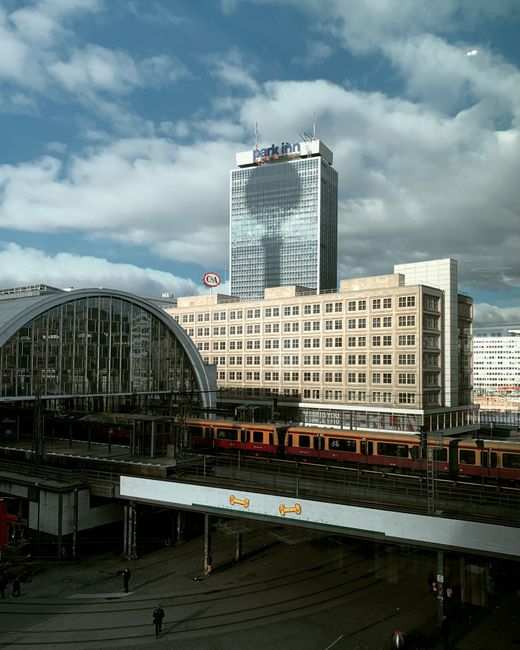
Germany is a country in Central Europe with a varied landscape that stretches from the North Sea and Baltic coasts in the north to the Alpine foothills in the south. It borders nine states, more than any other country in Europe, and its position has long shaped trade, migration and political history across the continent. The modern federal republic consists of sixteen states, each with its own local identity, while Berlin serves as both the capital and a city with a distinctive cultural and historical profile. Major rivers such as the Rhine, Danube, Elbe and Oder have played important roles in settlement, commerce and transport, helping connect industrial regions, agricultural areas and historic cities. German history is visible in many layers: Roman remains in places such as Trier, medieval old towns, imperial-era boulevards, post-war reconstruction and contemporary civic buildings all sit within the same national landscape. Architecture ranges from half-timbered houses and Gothic cathedrals to modern glass-fronted offices and carefully restored industrial sites. Cultural life is equally wide-ranging, with opera houses, museums, literature, classical music, film festivals and strong traditions of regional festivals and markets. Cities such as Munich, Hamburg, Cologne, Dresden and Leipzig each have their own character, while smaller towns and villages preserve local dialects, craft traditions and distinct culinary customs. The countryside adds another dimension, from the Black Forest and the Harz Mountains to lake districts, vineyard slopes and river valleys. Public parks, cycle routes, university towns and heritage sites are woven into everyday life, giving the country a balance between historic depth and contemporary urban energy. That mixture of geography, history and modern infrastructure is one reason Germany is often described through both its regional variety and its strong national cohesion.
If you are moving household or business items and need a service that stays focused on the practical work, our removals support is built around the job itself. We can help with loading, transport and delivery in a way that respects the contents and the access at each end. For larger moves, a clear inventory and simple notes about fragile or awkward items will usually make the arrangement easier to shape. For smaller moves, the most helpful step is often just explaining what needs moving and where it needs to go. A pricing and quotes page can be useful if you want to understand how a quotation is prepared. You can also use the contact route when you are ready to ask for a quotation.
Before moving on, it helps to separate the service decision from the packing decision. Some customers need a fuller removals package because they have furniture, boxes and access issues all at once; others only need transport with a little lifting support. Either way, the most useful quotation is one that reflects the actual move, not a guess. Clear information saves time, keeps expectations realistic and makes it easier to choose the right removals setup for the load. If you would like to compare services, you can also review our removal services overview.
House moves, removals companies and wider service choices
Customers often look at several removals options before making a decision, especially when they are comparing domestic and commercial support. Our service range includes house moves, office removals and smaller transport jobs, so the right choice depends on the size of the load and the kind of help needed on the day. If you are comparing providers, it is useful to think about whether the company is offering a full moving service, transport only or a more tailored arrangement around the items you have.
The terms people use can vary, but the practical differences matter more than the wording. A removal company page, for example, may be helpful when you want to understand the broader type of business behind the service, while a removal companies page can be useful if you are comparing options and service styles. Our own work is built around removals and moving support rather than unnecessary add-ons, so the focus stays on handling the job properly. If you are planning a larger relocation, it is worth reviewing the scope carefully before the day arrives.
Where the move is time-sensitive or involves multiple stages, a structured approach can make all the difference. That might include sorting the load into groups, deciding what stays with the customer and what is to be carried by the removals team, and setting a realistic order for loading and unloading. It is a practical service, and practicality is usually what customers want most. If you are ready to proceed, the next step is simple: ask for a quotation.
Quotations, service planning and final arrangement

A good removals quotation should reflect the actual work involved, not just the headline idea of a move. The size of the load, the number of floors, the type of access, the distance between addresses and any need for packing or furniture handling all influence the final scope. That is why it is useful to describe the job clearly at the start. The more accurate the outline, the better the match between the service and the work that needs doing.
When preparing for a quotation, it often helps to note the main items, any particularly heavy pieces and any practical issues such as narrow entrances, parking limitations or timing restrictions. Those are the details that affect how the removals service is planned. If you are moving business equipment, it may also be sensible to mention whether items need to stay in order, whether there are fragile components and whether dismantling or reassembly is part of the request. Once the essentials are clear, we can shape the job around them.
For a straightforward move or a more involved relocation, the aim is the same: keep the service workable, careful and suited to the contents. We can help with removals that are simple in scale and those that need a more organised approach, always with the practicalities in view. If you are comparing options, reviewing the service pages can help, but the best next step is to request a quotation and give us the basics of your move.